
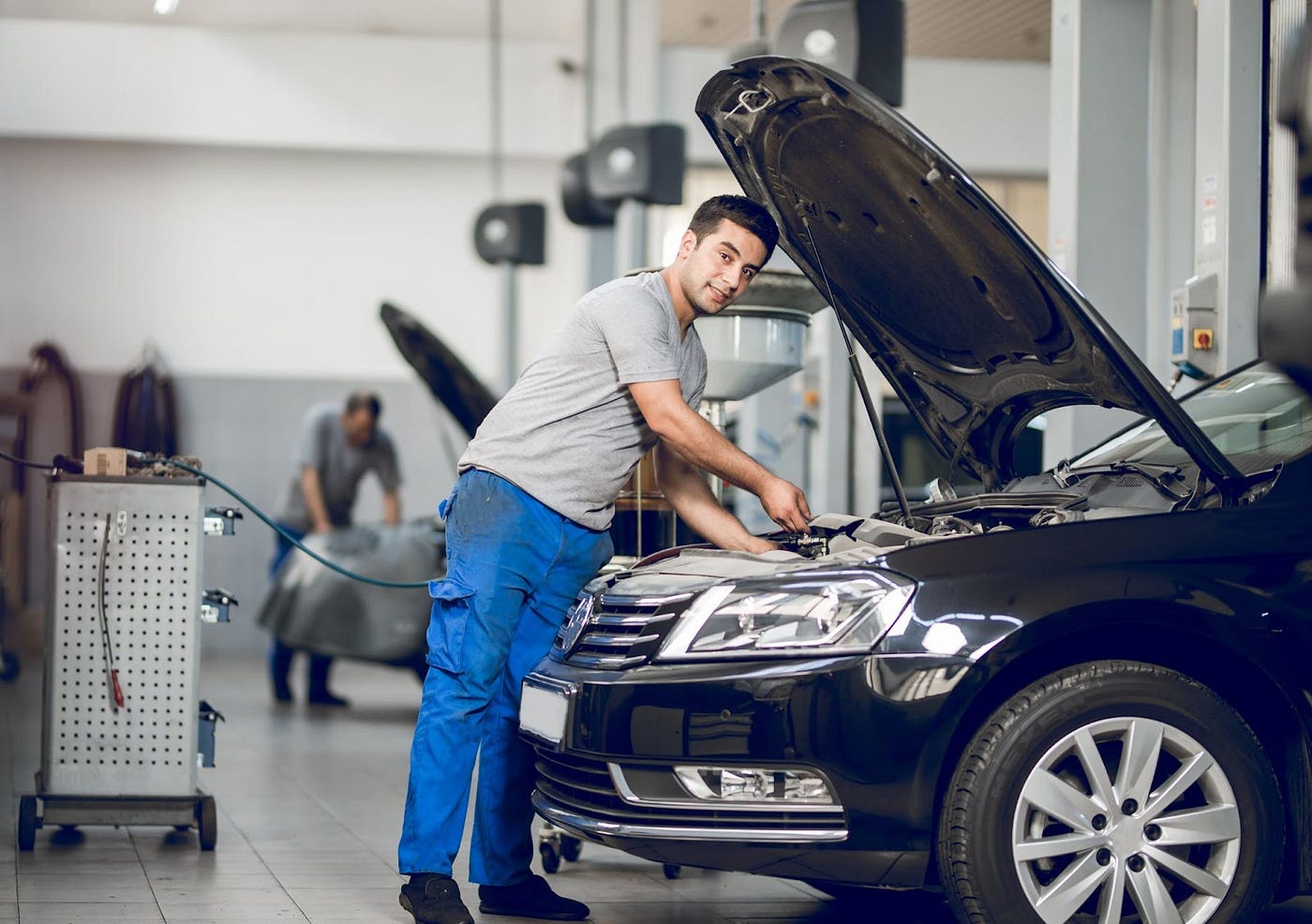
Reliable vehicle performance is critical whether you are managing a fleet of delivery trucks or keeping a personal car in good working order. Both commercial and passenger vehicles require skilled professional attention to remain safe, efficient, and legally compliant.
Understanding the differences between these repair needs and how to find the right expertise for each helps vehicle owners and fleet managers make smarter maintenance decisions.
Commercial Vehicle Repair for Working Fleets
The demands placed on commercial vehicles far exceed those experienced by standard passenger cars. Professional commercial vehicle repair addresses the specialized mechanical needs of trucks, vans, buses, and heavy equipment that operate under high load and high mileage conditions. These vehicles require technicians who understand the unique engineering of their drivetrains, braking systems, suspension components, and onboard electronics.
Fleet managers who work with specialists in commercial vehicle repair benefit from faster turnaround times, accurate diagnostics, and access to heavy-duty parts that general repair shops may not carry. Minimizing vehicle downtime is a priority for any business that depends on its fleet for day-to-day operations, making specialized repair expertise especially valuable.
Automotive Repair for Everyday Vehicles
For passenger vehicle owners, quality automotive repair covers the full spectrum of services needed to keep a car running safely and smoothly. This includes engine diagnostics, brake and suspension work, transmission service, electrical repairs, and collision restoration. A skilled automotive repair team uses current diagnostic technology and quality replacement parts to deliver repairs that restore factory-level performance.
Transparency is a hallmark of a trustworthy automotive repair shop. Reputable providers explain every recommended repair clearly, show customers the worn or damaged components, and provide fair, itemized pricing before any work begins. This approach builds trust and ensures that drivers make informed decisions about their vehicles.
Preventive Maintenance as a Foundation
Whether managing commercial vehicles or personal cars, preventive maintenance is the most cost-effective approach to vehicle care. Regular inspections, fluid changes, filter replacements, and component checks catch developing faults before they become serious failures. Fleet operators who implement structured maintenance schedules consistently achieve lower per-vehicle costs and higher overall reliability than those who rely solely on reactive repairs.
A good maintenance program also extends vehicle service life significantly. Well-maintained vehicles hold their value longer, require fewer emergency repairs, and present fewer safety risks over their operational lifespan.
Selecting the Right Repair Partner
Choosing the right repair provider requires attention to certifications, experience with your specific vehicle type, and a reputation for honest, quality work. Ask about warranty coverage on parts and labor, confirm that technicians hold relevant industry certifications, and read customer reviews to gauge the overall service experience.
The best repair providers build long-term relationships with their clients through consistent professionalism and reliable results.
Conclusion
Professional vehicle repair, whether for commercial fleets or everyday passenger cars, is a cornerstone of safe and efficient transportation. Investing in qualified repair services and maintaining a consistent preventive maintenance schedule protects vehicles, supports business operations, and keeps drivers safe on the road.
With the right repair partner on your side, every vehicle in your care can deliver dependable performance for years to come.