
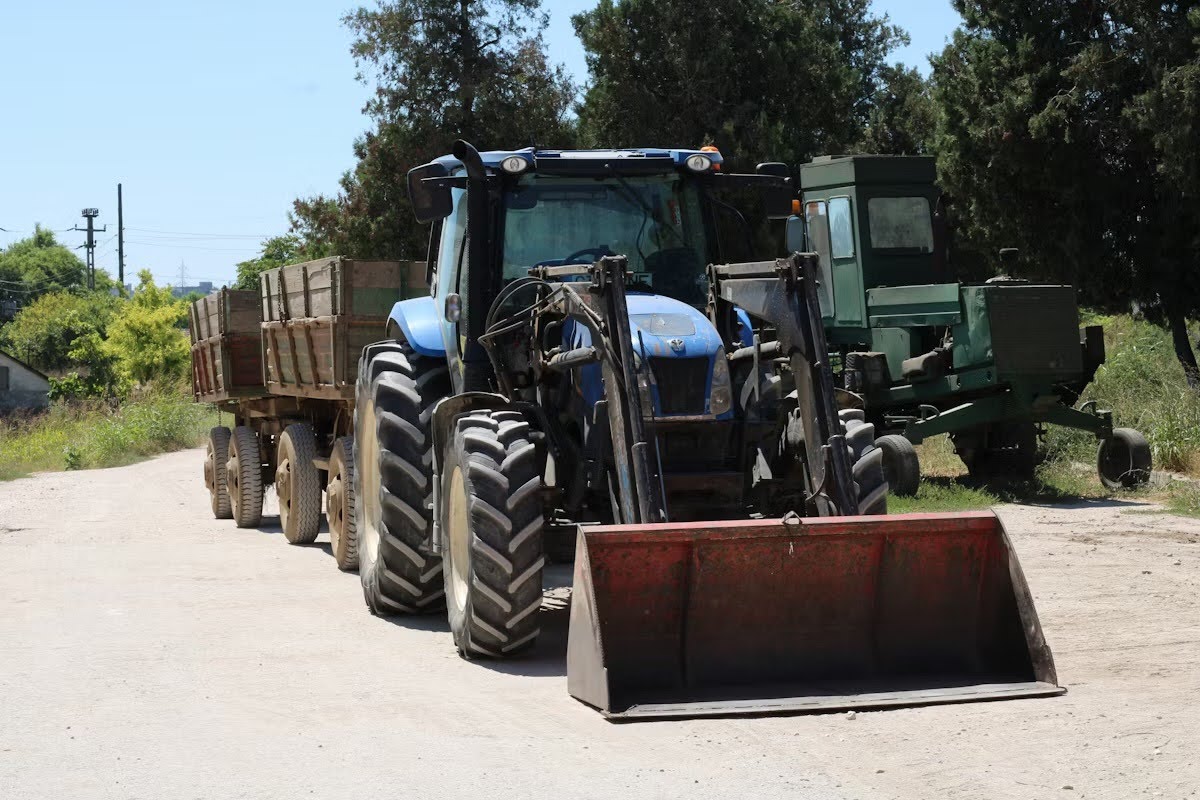
Diesel-powered vehicles are an essential part of farming operations, helping with transportation, irrigation, and heavy-duty tasks. From tractors to pickup trucks, these machines rely on well-maintained diesel engines to perform efficiently. Poor maintenance can lead to breakdowns, costly repairs, and delays in critical farming activities. By following proper care practices, farmers can extend the life of their engines and ensure smooth operations throughout the year.
Here are five important tips to help farmers maintain diesel engines effectively.
1. Perform Regular Engine Inspections
Routine inspections are the foundation of proper diesel engine maintenance. Farmers should regularly check for leaks, unusual noises, or signs of wear and tear. Inspecting belts, hoses, and connections can help identify potential issues before they turn into major problems.
Keeping an eye on engine performance ensures that any irregularities are addressed quickly, reducing the risk of unexpected breakdowns during busy farming seasons.
2. Use High-Quality Fuel and Keep It Clean
The quality of diesel fuel plays a crucial role in engine performance. Contaminated or low-quality fuel can damage engine components and reduce efficiency. Always use clean, high-grade diesel and store it properly to prevent contamination from dirt or water.
Installing fuel filters and replacing them regularly can further protect the engine from harmful particles. Clean fuel ensures smoother operation and better longevity.
3. Maintain and Replace Diesel Parts
Using reliable components is essential for keeping diesel engines in good condition. Powerstroke diesel parts, for example, are known for their durability and performance in heavy-duty vehicles. Regularly inspecting and replacing worn-out parts such as injectors, filters, and seals helps maintain engine efficiency.
Investing in high-quality parts ensures that your engine continues to perform well under demanding farming conditions and reduces the likelihood of frequent repairs.
4. Keep the Cooling System in Check
Diesel engines generate a significant amount of heat, making the cooling system a critical component. Regularly check coolant levels, inspect the radiator, and ensure that there are no leaks or blockages. Overheating can cause serious engine damage, so it is important to maintain the cooling system properly.
Flushing and replacing coolant at recommended intervals helps keep the engine temperature under control and prevents long-term issues.
5. Follow a Consistent Maintenance Schedule
Consistency is key when it comes to engine maintenance. Following a regular schedule for oil changes, filter replacements, and system checks ensures that your diesel engine remains in optimal condition.
Keeping a maintenance log can help you track service intervals and identify patterns in performance. A well-maintained engine not only lasts longer but also operates more efficiently, saving time and money in the long run.
Conclusion
Maintaining diesel engines is essential for farmers who rely on their vehicles for daily operations. By performing regular inspections, using high-quality fuel, maintaining diesel parts, keeping the cooling system in good condition, and following a consistent maintenance schedule, farmers can ensure reliable performance and longevity. Proper care not only reduces repair costs but also helps avoid disruptions during critical farming tasks. With the right approach, diesel engines can continue to serve as dependable tools in agricultural success.