
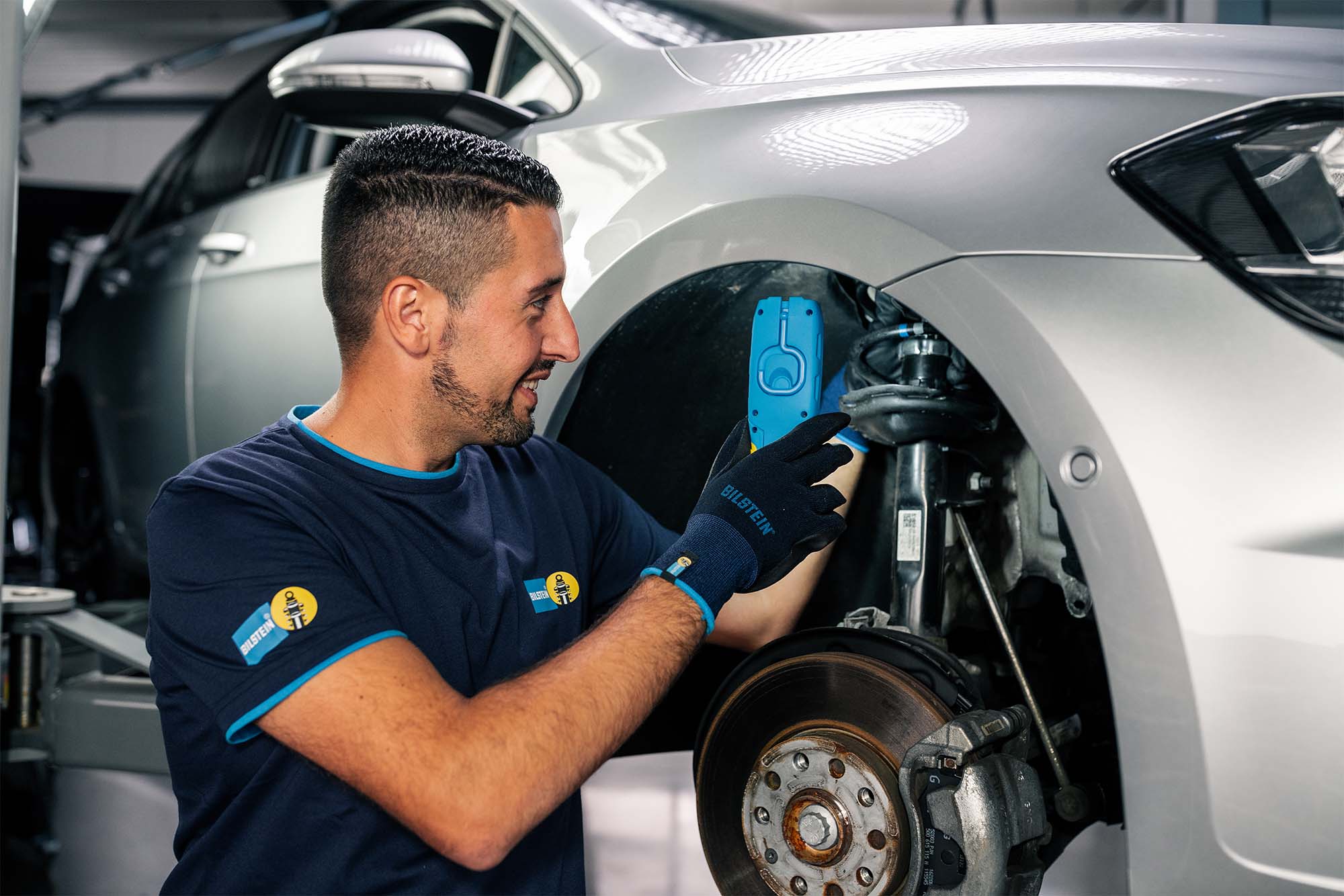
To guarantee performance and vehicle safety, the suspension components need to be evaluated accurately. Every spring has a bearing on handling, ride quality and load distribution. The wrong choice results in either an uneven wear, misalignment or reduced component life cycles. Sticking to specifications maintains performance and safeguards investment in suspension upgrades.
Coilover springs affect the compression, rebound and load transfer properties of a suspension system. Using springs of incorrect rate or not suitable to the load of the vehicle worsens performance. Durability is guaranteed by matching springs to weight and shock absorbers of the vehicle, as well as driving conditions. Checking specifications prior to installation will avoid failures and prolong the life of suspension components.
1. Misjudgment of Coilover Spring Compression Requirements
Failure to competently compress decreases control and may harm suspension in the long run. Depending on the weight, compatibility of the shock, and the intended use, vehicles need a specific spring rate. Underrated springs will lead to a higher bottoming risk, whereas over-rated springs will produce rough responses and asymmetrical tire wear.
The correct calculations guarantee predictable handling and uphold the suspension geometry in the dynamic driving environment. Adherence to specifications of the manufacturer not only prevents fatigue but also maintains long-term reliability.
2. Protective Coating and Corrosion Resistance Neglected
The inability to provide corrosion resistance reduces the integrity of springs and reduces the life of operation. These springs are exposed to moisture, road salt and debris, which increase the wear. Quality coatings help to avoid rust and maintain mechanical properties.
The assessment of material strength and corrosion resistance will guarantee the reliability of performance under various conditions. Periodic inspection ensures safety, maintains handling performance and increases service life of the spring. Correct corrosion protection also reduces the possibility of spring fatigue and guarantees long-term reliability.
3. Compatibility of Suspension Component Ignored
Shock-incompatible springs or struts reduce the accuracy of handling and risk damaging components. Being able to match springs with damping properties helps eliminate vibrations and uneven movement. Off-centering can lead to rough maneuvering or lack of comfort.
Inspecting manufacturer data and shock compatibility is a way of making sure that the suspension is functioning correctly. The adequate compatibility of components ensures safe usage and maintains performance in every situation. Proper matching of components will aid in consistency in handling thus minimizing chances of suspension problems during high-performance driving.
4. Improper Ride Height Results in Poor Performance
The ride height influences the balance of the vehicle, its traction and geometry. Very low bottoming risk but high stability and ability to handle. Correct measurements will guarantee correct alignment, maintain ride frequency to predictable handling.
Adjustable systems have to be calibrated to ensure desired operation in different loads. Proper ride height cushions the suspension parts, tires, and undercarriage parts. Cornering stability and braking effectiveness are also enhanced by ensuring the ride height is correct.
5. Choice of Brand without Good Feedback
The manufacturers with lower credibility may experience premature failure and warranty benefits reduction of their products. To assess the reliability of products, industry professionals use their reputation, test data and field feedback.
The use of reliable brands will result in a uniform quality and coil bind limits which will minimize the replacement cost. Extensive warranty analysis safeguards against malfunctions. Reliable manufacturers supply the products that are trusted, contributing to the safety of the vehicles, and the performance of the suspension.
These five important factors guarantee that the springs are still the best in terms of performance and reliability over the long term. Assessment of compression, resistance to corrosion, compatibility of component, ride height and brand reputation maintains integrity of the system.
Specifications and proven engineering data ensure failures are avoided and maintenance costs are minimized. When you select coilover springs of reputable manufacturers, these ensure reliability, predictable performance and the highest value of your car. Professionals or tested guides can be consulted to guide you on the best springs to use in your suspension requirements.