
Interiors of cars quietly produce waste from routine improvements, aesthetic adjustments, and frequent replacements of accessories. In the auto industry, which is focusing on sustainability, the focus is turning to interior components that can extend the lifespan of products and minimize the amount of waste. A careful selection of durable components ensures responsible ownership and reduces the need for unnecessary disposal. This article examines the options for interiors that promote the use of vehicles that are more sustainable.
Floor Mat Choices Reduce Interior Waste Right Now
The flooring of vehicles is subject to stress from foot wear, moisture, soil particles, and outside debris. The durable protective layers protect carpet fibers and prevent the needless disposal of debris from early degradation. For instance, premium Coverland mats for floors provide reliable protection from grime, stains, and seasonal contaminants. They are made with recycled materials or thermoplastic polymers that are recyclable.
Textured surfaces trap dirt particles and prevent friction between soft flooring materials. Liner shapes that are properly shaped also prevent water from being trapped, which can degrade the underlying material as time passes. A longer service life will mean fewer junk items are being disposed of during ownership. A conscious choice of products is an easy step towards sustainable automotive.
Reduced Discard Frequency with Sturdy Seat Textiles
The surfaces of seats are subject to constant tension from wear and tear, friction, sun exposure, and spills from accidents. The materials used for upholstery degrade quickly and lead to a number of unnecessary replacement cycles and growing trash. The durability of woven fabrics that incorporate recycled materials like rPET, which is a post-consumer plastic, increases longevity and encourages sustainable consumption practices. Stiff stitching patterns prevent tears due to repeated movements in daily activities.
Protective coatings for textiles repel liquids and stop permanent staining, which usually leads to the process of disposal. Neutral colors of fabrics maintain aesthetic appeal for longer while avoiding any cosmetic dissatisfaction. High-density cushioning maintains the shape of the structure under the constant load of passengers over many years. The use of sustainable textiles protects the interior and reduces environmental burdens from materials that are being discarded.
Organizers for Reusable Storage Reduce Unused Clutter
Interior clutter can lead to damage to trim pieces, scratches, and damaged and scratched panels. Storage compartments that can be reused help keep things organized and protect fragile interior materials. Solid organizers reduce the need for disposable bags that are often piled up when you run errands. Separated compartments for electronics, equipment, and other tools without chaotic stacking.
Reinforced fabric supports heavy objects without tearing when subjected to shifts in pressure. The visibility of the compartment is enhanced by transparency, which encourages repeat use, as opposed to single-purpose containers intended to be disposed of. The spaces that are well-organized also require fewer cleaners since the debris stays in a contained area. Innovative storage solutions help sustain sustainable practices in everyday transport environments.
Replaceable Cabin Filters Extend the Life of the Interior

Air quality systems in the interior protect passengers from allergens, dust, or air pollutants. Filter components that have become blocked can restrict ventilation and allow particles to build up on the surfaces of the cabin. Removable filters ensure efficient airflow and protect interior surfaces from a buildup of tiny residue. Clean air circulation helps reduce the risk of contamination that collects on the upholstery fibers as well as on dashboard surfaces.
A regular replacement of the filter reduces stress on the mechanical ventilation channels within vehicles. Effective filtration systems help maintain healthy interiors while also preserving the material’s integrity. Cleaner rooms require fewer chemicals and disposable wipes when performing maintenance. The benefits of sustainable air filtration are the comfort of the occupants as well as environmental responsibility.
Washable Liners Reduce the Need for Carpet Replacements
Carpets for cars often suffer permanent damage due to mud, melting snow, spilled drinks, and soil particles. Liners that can be washed form a barrier that is removable between the floor’s fragile fibers. Liner materials that are durable can stand up to repeated washing without damage or retention of odor. Reusable protection decreases the need for disposable covers that swiftly become part of the landfill system. The shift from a one-use recycling model to one that is a reuse system is a reflection of the fundamentals of the circular economy within automotive care.
Textured surfaces trap debris while stabilizing the liner’s location when it is frequently used for entry and exit. The barriers protect seams of carpet from wear and tear. Protected carpeting can limit large-scale material removal from interior replacements that are complete. Liners that are environmentally responsible can help ensure the long-term sustainability of the interiors of vehicles.
Component Service Is Extended by Modular Trim Panels
Interior panels are subjected to UV light, temperature fluctuations, and frequent contact with passengers. Modular panel design permits the replacement of individual components rather than whole dashboard components. Modular updates to components significantly minimize the waste of plastic in maintenance cycles. Secure clips are free of adhesives that can complicate recycling processes in the future.
Advanced polymer blends are resistant to the effects of brittleness, fading, and cracking on the surface during prolonged usage. Intelligent engineering increases the longevity of structurally complex interior components. A well-designed panel structure allows for repair, not replacement. Sustainable design principles for car interiors minimize the environmental impact of products throughout their lifecycles.
Long-Term Cleaning Equipment Replaces Disposables
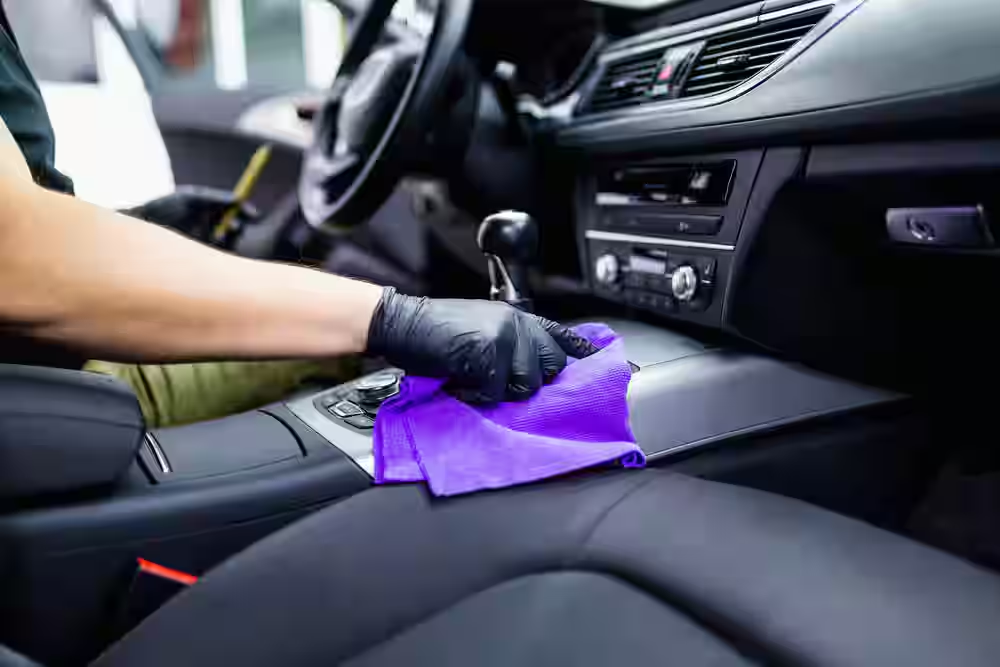
The routine cabin cleaning process is done using the use of disposable paper towels, wipes, and brushes that are short-lived. Microfiber cloths that can be reused effectively absorb dust, while reducing the need for cleaning products that are only used once. The dense fibers trap debris inside fabric strands and do not spread the residue on surfaces. The performance of washable cloths is maintained after countless washing cycles.
The durable detailing brushes can take away dust from seams, vents, and panel surfaces. Cleaning tools that last for a long time dramatically cut down on the amount of waste produced by regular car care. The use of fewer disposable items also reduces the amount of packaging used in household purchases. Green cleaning practices improve the environment during routine car maintenance.
Careful Upgrades Postpone a Complete Interior Makeover
Minor improvements to the interior design without needing a complete replacement of material. Protective seat covers protect upholstery from abrasion, sun exposure, and everyday wear. Selecting the right accessories ensures a cohesive design of the cabin throughout an extended time of service. The durable materials are resistant to fading and degradation over several seasons of travelling.
The targeted updates help preserve functional components instead of throwing away useful structures. Progressive improvements are in line with circular consumption practices that promote the long-term durability of products. Responsible ownership fosters innovation in sustainable design for interior products. Sustainable upgrades prolong the car’s life span while reducing the amount of waste generated.
Sustainable car interiors are based on judicious material selections as well as durable accessories and good maintenance practices. Be mindful of your choices to limit waste while encouraging environmentally-friendly design across the various components of a vehicle. For instance, practical protection products like Coverland floor mats show the value of small changes to a significant reduction in waste. Responsible ownership eventually transforms everyday transport into an opportunity to make environmental improvements.