
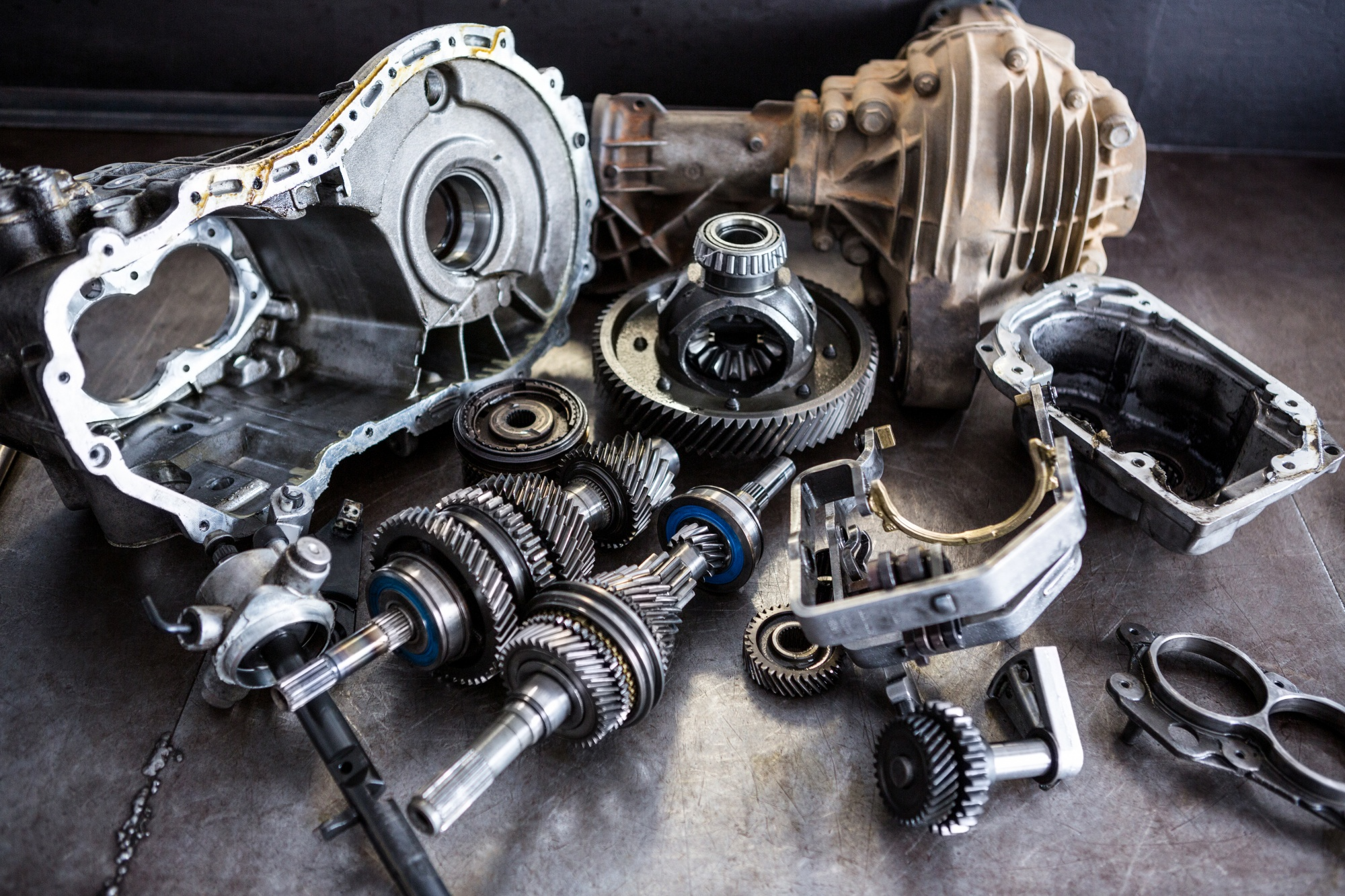
Engine systems rely on several components to produce and control the forces necessary to power a vehicle. Most systems contain components dedicated to controlling engine airflow, engine temperature, and engine fuel delivery. Components designed to maximize power often operate alongside components that help regulate the system, ensuring safe operation and minimizing wear.
Well-maintained, fully functioning components maximize an engine’s performance and fuel economy. Parts and components can negatively affect performance and reliability. Having a grasp of engine components and their functions allows vehicle owners to make informed decisions when evaluating their vehicles’ systems for potential repairs and upgrades.
CAT Turbocharger
A CAT turbocharger helps increase engine power, thereby improving performance and efficiency. For example, Caterpillar diesel engines used in heavy-duty equipment and machinery benefit from turbochargers because they must deliver power for tough jobs.
Turbocharger systems work optimally with the regular maintenance of air filters, the engine oil level, and engine oil pressure. As with many automotive parts, a good turbocharger maintenance program includes checking for oil leaks or unusual noises, as early identification is key to minimizing repair costs when a turbocharger fails.
Pontiac Cylinder Heads
The cylinder heads help direct the fuel and air. Located atop the engine block and above the cylinders, they help direct the burn and generate the engine’s power. Pontiac cylinder heads are highly popular among people restoring and modifying their own Pontiac engines. More efficient airflow is supported when the cylinder heads are right, and so is better engine performance. Therefore, parts have to be chosen with the specific engine model and the vehicle’s intended use in mind.
Fuel Injectors
Fuel injectors control how much fuel enters your engine by spraying a precise amount for the engine to burn with air. When your engine is fueled by good injectors, it will run more smoothly and efficiently. Damaged injectors will not do this, causing your car to have poor fuel efficiency and have starting and running issues. Cleaning your injectors and regularly checking them is good preventive maintenance to ensure they perform well.
Air Filters
Air filters prevent engine contamination by keeping dust and small particulates out. For your engine to run efficiently, it requires an adequate amount of clean air. As your air filter becomes contaminated, you will start to see a drop in engine efficiency as the filter reduces the airflow. Fortunately, replacing an air filter is inexpensive and easy, and it protects your engine by reducing issues associated with a contaminated engine.
Cooling System
As a car engine runs, it becomes very hot. The engine’s cooling system is designed to prevent overheating. This system includes the coolant, radiator, pump, and thermostat. Because the engine can overheat, leading to expensive, irreversible damage, a coolant system check for levels and leaks should be conducted as needed.
Conclusion
There is no such thing as an insignificant engine component. Turbochargers, cylinder heads, fuel injectors, air filters, and cooling systems contribute to the engine’s overall functionality. When you take the time to choose the right parts and schedule routine maintenance, you improve your vehicle’s overall performance, minimize problems, and help it last many years.