
Owning a vehicle is a significant investment that requires consistent attention and care to ensure it remains reliable, safe, and efficient over the long term.
Many owners focus only on the driving experience, forgetting that the mechanical health of their automobile depends entirely on proactive maintenance.
By following a structured care routine, you can avoid costly emergency repairs, maintain a higher resale value, and enjoy a smoother ride. Regular upkeep is not just about extending the life of the machine; it is about ensuring your personal safety on every journey you take.
Monitoring the Pressure and Condition of Car Tyres
Your safety on the road relies heavily on the four points of contact between your vehicle and the pavement. Proper maintenance of car tyres is critical for handling, braking efficiency, and overall fuel economy.
Check the air pressure at least once a month using a reliable gauge, as under-inflated options lead to rapid wear and increased fuel consumption. Additionally, inspect the tread depth regularly to ensure adequate grip during wet weather.
If you notice uneven wear patterns, it is often a sign that your wheels require alignment or balancing by a professional technician.
Establishing a Relationship With a Trusted Car Garage
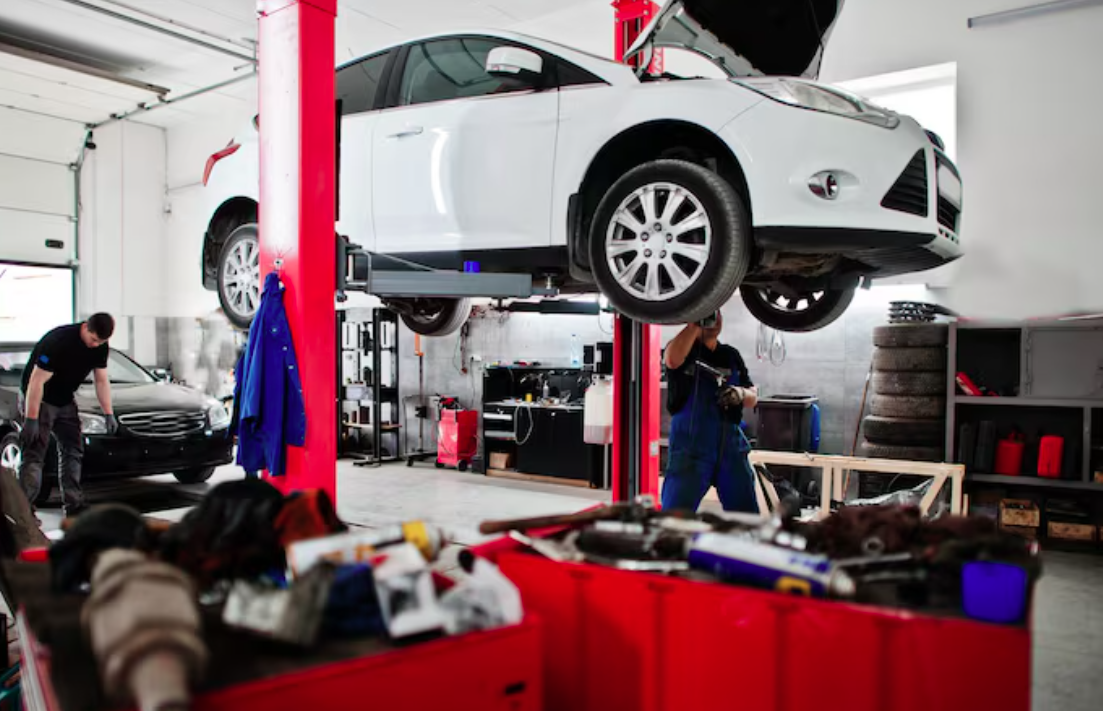
Finding a reputable car garage is one of the smartest decisions you can make as a vehicle owner. A professional shop provides more than just repairs; it offers a comprehensive record of your vehicle’s health history, which is invaluable for long-term planning.
By sticking to a consistent service provider, you ensure that mechanics who understand your vehicle’s specific needs are handling the maintenance.
A trusted partner will keep you informed about upcoming service intervals, helping you replace aging components before they fail catastrophically and leave you stranded on the road.
Adhering to Regular Fluid Change Intervals
Fluids are the lifeblood of your vehicle, serving to lubricate, cool, and clean complex internal components. Engine oil, coolant, transmission fluid, and brake fluid all degrade over time due to heat and oxidation.
Ignoring the recommended intervals for these changes can lead to severe mechanical damage, such as engine seizure or transmission failure.
Always consult your owner’s manual for the specific manufacturer requirements regarding the type of fluid and the mileage intervals. Keeping these systems flushed and replenished ensures your engine runs cooler and lasts much longer.
Prioritizing the Health of Your Battery
A vehicle that refuses to start is a major inconvenience caused most often by battery failure. Battery terminals can accumulate corrosion over time, which inhibits the flow of electricity to the starting system.
Regularly cleaning the terminals with a wire brush and ensuring the connections remain tight will help you avoid starting issues.
If your battery is more than three years old, have it tested for its ability to hold a charge during your regular service appointments. Replacing an aging battery before it dies will save you from unexpected downtime.
Protecting the Exterior and Interior Finishes
A well-maintained vehicle looks great and retains its aesthetic appeal, which is vital for eventual resale. Washing your car frequently removes road salts, dust, and grime that can slowly eat away at the clear coat and cause rust.
Applying a high-quality wax provides an additional protective layer against harsh environmental elements.
Do not neglect the interior, as vacuuming the carpets and conditioning leather or plastic surfaces prevents cracking and fading. Caring for the aesthetics shows a commitment to ownership and preserves the overall value of your asset.