
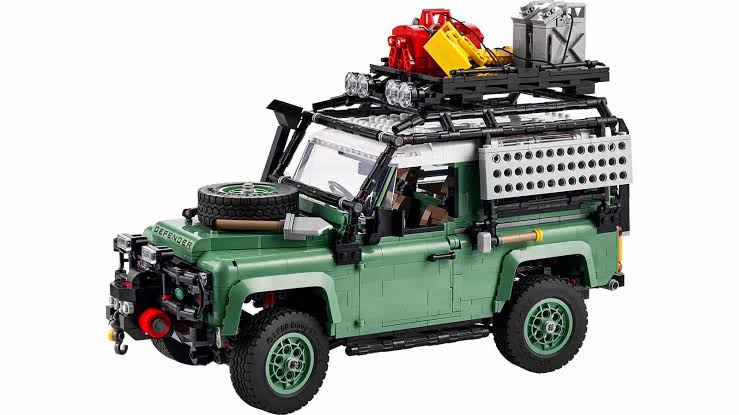
A wheel is a round-shaped object. It rotates on an axle. It’s used for transportation and machinery. Wheels are used to transport vehicles, such as cars and bicycles. They also turn in machines. It is difficult to count all the wheels. This includes wheels from cars, toys, and equipment. It is in the billions! Wheels are everywhere and make life easier.
How Many Wheels Are In The World? It’s a staggering number. Think of all the cars, bikes, and toys. Count wheels on buses, trucks and carts. Wheels are everywhere. They propel us into the future. From ancient times to now, their count has exploded. Billions, likely more. Wheels are the means by which we move through life.
The car industry expands in size annually and produces more cars and wheels. Now, there are about 38 billion wheels around the world. To solve this, we must consider the number and type of wheels on the vehicles. A straightforward way to check the usage of wheels.
Brief History Of Wheel
The wheel is an important piece of apparatus in human history. Around 3500 BCE, the wheel was present in the city of ancient Mesopotamia. It was used as a potter’s wheel. By 3000 b.c. it had been developed for use in carts. This was a revolution in transport. Wheel design differed among cultures. The Egyptians made great advances.
They employed it on chariots some 2000 years ago. The wheel spread throughout Europe and Asia. It changed the economies and societies. It gave rise to developments in different areas over a period of centuries. Nowadays it is essential in the fields of machine building and transport. The wheel’s journey is a testament to human ingenuity and progress. It is a key milestone in our technological development.
This is an Introduction to the Global Wheel Count
Global Wheel Count is a special program. It is designed to chart global mobility patterns. Volunteers count wheels in various locations. This includes bikes, cars, and public transport. Data collection is carried out once a year. It offers information about modes of travel. The programme is a contribution to sustainable transport planning.
It marks the infrastructure development needs. Any interested person is welcome to count. It encourages people to participate in the city’s growth process. Cities can improve mobility by analysing the data. Global Wheel Count is having an impact. It helps to promote more sustainable forms of transport. Join the movement. Become a part of the future of Urban Mobility.
This Gives an Overview of the Evolution of Wheel Numbers Over Time and across the Globe
The wheel was invented about 3500 B.C. It made pottery making easier. Soon its transport role came to the fore. Chariots on wheels were used by 2000 BCE. These were four wheeled chariots. Through the centuries, there was a lot of variability in wheel numbers. For carts or carriages, 4 wheels became standard. Two were used on bicycles, which came into use in the 19th century.
During the 20th century, four-wheeled vehicles were also preferred by car enthusiasts. Others, such as tricycles, selected 3. Further development has occurred in a variety of ways, culminating in different wheel numbers. Wheel numbers are now related to the function of the vehicle. There’s unicycling, and there’s a heavy truck with multiple wheels—it is all about diversity. This is a reflection of the ingenuity and progress of human beings and technology.
A Methodology for Estimating the Total Number of Wheels
It is difficult to estimate the total number of wheels. A series of techniques are used. First, there’s a need for categorization. Vehicles, toys, and industrial machinery are taken into account. There are unique features of each category. The next steps involve surveys and statistical modelling. They assist with the collection of data. These methods are crucial to data accuracy. Afterwards, extrapolation techniques are used. They forecast numbers according to trends.
This is an important step to attain accuracy. Technology is a large part of this. Predictions are improved with machine learning algorithms. They compare and contrast past and present information. This analysis helps to get a more precise estimate. Lastly, the experts must validate it. The estimates are examined by experts. They help to ensure realism and reliability. This is a complete solution that seeks accuracy. Represents the difficulty of the job.
Transportation’s Contribution to the Volume of Wheels
Transportation is crucial for global wheel quantities, impacting how things and people move worldwide. Sound transport systems directly affect the need for aftermarket wheels, shaping the car industry. This rising demand for replacement parts is easily met by specialist retailers like tyres.co.uk. Cars, whether personal or for business, really need wheels to move. More wheels equals more transportation. The more transportation, the more wheels.
To bring them into a close relationship. As travel and commerce become more widespread around the world, transportation becomes all the more important for wheels. The future may require different types of cars with varying numbers of wheels, thanks to new technology such as electric vehicles and self-driving cars. What you have to remember is that transportation is not only about moving from one place to another; it is one of the reasons that there are so many wheels in the world.
Different Types Of Wheel
Each set of offsets and wheel dimensions like 17×7, 17×7.5, 18×8, 19×12, and 20×14 wheels has a distinct effect on the car’s performance and appearance, and are all specified for a particular aesthetic and functional purpose.
17×7 Wheels
The balanced offset of 17×7 wheels strikes the perfect balance between style and performance. These wheels sit perfectly in place, neither inset nor extended, so they are a great choice to get a refined look. They are flexible and can add to the appearance and handling of the car, while not compromising comfort.
17×7.5 Wheels
A tad wider, 17×7.5 wheels provide a broader stance and improved road grip. Their well-thought-out offset results in a pleasing setup and well-balanced handling characteristics. These are perfect for users who want to combine speed with style, providing a slight performance boost while contributing to their aesthetic appearance.
18×8 Wheels:
The 18×8 configuration brings in a more punchy, muscular, and assertive appearance. The wider width and exact offset enable better stability and handling, especially at high speeds. These wheels are popular among individuals who want to improve their vehicle’s appearance and performance, providing it with a more aggressive and sporty appearance.
19×12 Wheels:
The 19×12 wheel is the ultimate size and stature to make the impact. They are very wide and well-designed, and they are an ideal fit for high-performance cars, providing good traction and handling. They enhance the looks, feel, and performance of sports and performance vehicles, and offer exciting acceleration and cornering performance.
20×14 Wheels:
20×14 wheels are a testament to the largest wheel size, as they come with bold designs and performance benefits. They are also quite wide and found to have the best offset, which makes the car or truck have a dominant look and better road grip. These wheels are preferred by those aiming to make a bold statement, marrying top-notch performance with dramatic looks.
Wheels in Daily Life, Consumer Goods and Leisure
Wheels are an integral part of our everyday life. They are everywhere. They move us, from cars to bikes. They help to make travelling quick and convenient. Shopping carts have become handy because of wheels. Airport luggage wheels are a time saver. Wheels have a role in leisure. Skateboards, and rollerblades provide fun. They are responsible for our fitness.
Many find wheelchairs help them to move around more. If it weren’t for the wheels, life would be easier. They make things easier and fun. Wheels are used to support our activities every day. They play a crucial role in consumer goods. They are also essential for leisure activities. To summarize, wheels are very important. They are of service to us in a myriad of ways. It’s easier and more fun to have wheels!
Issues Related to Counting the World’s Wheels Accurately
Accurately counting the world’s wheels presents unique challenges:
- Wheels are everywhere. They are in cars, bikes, and toys.
- Production rates are widely different. New wheels are rolled on a daily basis.
- There is an enormous difference in
- The life of wheels. A few years ago, or even months ago.
- The distribution of the product is global. Wheels are available in all countries.
- Wheels aren’t all visible. There are lots of them in storage.
- Counts are impacted by technology changes. New types of wheels appear.
- There is little historical information available. Old wheels are easily overlooked.
- There should be more consistency in counting methods.
The value of different locations varies. Nevertheless, it is important to be aware of wheel prevalence, even in the face of these difficulties. It represents technological advances and mobility trends.
Variation in Wheel Distribution Across the Country
The distribution of wheels is irregular throughout the world. In certain places, bicycles are the main transportation choice. Cars are ahead of others. Climate influences this. So does terrain. The economy plays a role, too. Favors cars in richer areas. In less wealthy neighborhoods, bicycles or scooters are employed. Vehicle distribution is impacted by public transport. The less efficient the system, the more personal vehicles are seen in cities. Private transportation is more important in rural areas.
Technology also impacts. Cities are getting more electric cars. This change is due to environmental issues. Culture influences preferences. Some cultures prefer walking to wheeled transportation. Others enjoy driving their cars. The function of the wheel is complicated. It reflects the geography, economy, and culture. Comprehending this is a window to look at the future of transport.
Conclusion
Approximating the total number of wheels: approximately 38 billion. Cars, clocks, and more, wheels are everywhere. Billion-dollar bills come from vehicles. Include toys, machinery, and so on. Wheels are used in every aspect of life. They are growing in number every day due to technology and manufacturing improvements. The number of people who use the services is not easily determined. But the figure is huge. Wheels have been a part of mankind’s evolution. They represent improvement and change. They’re never missing and always necessary.